How Much Does It Cost to Rent a Garage? (2026)
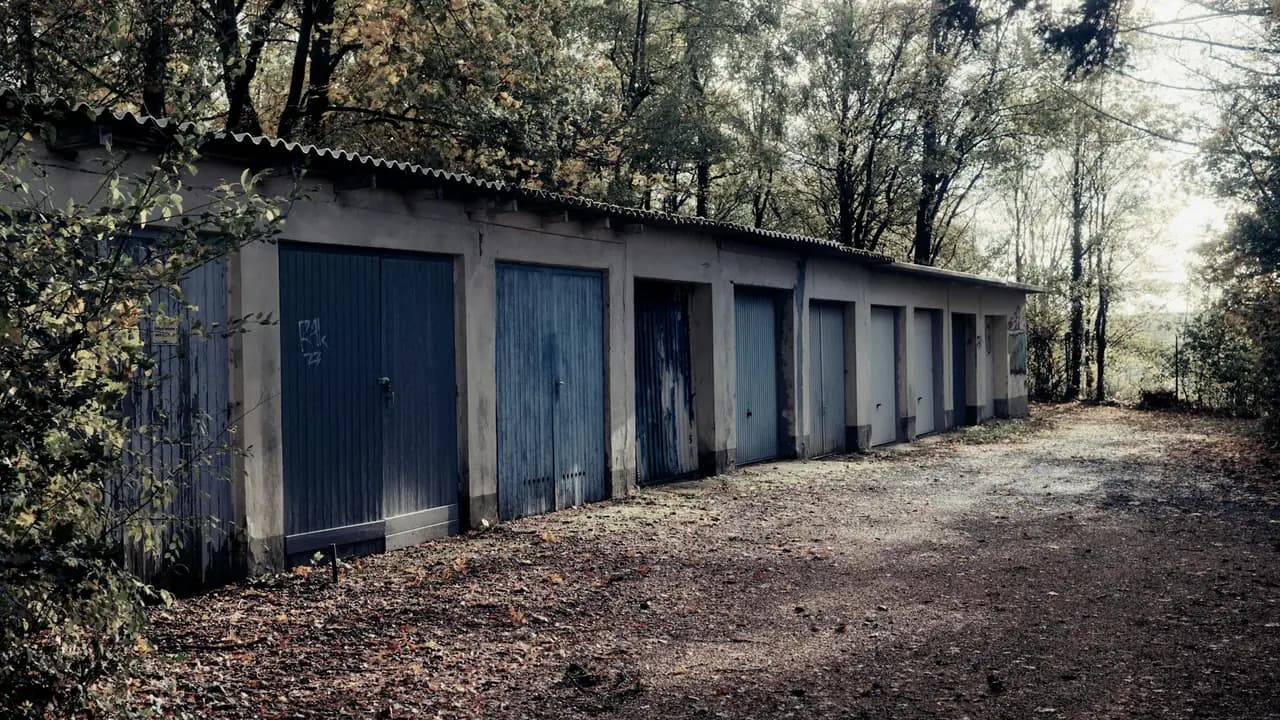
Renting a council garage typically costs around £40–£120 a month at non-tenant rates, depending on where you live. A private lock-up averages about £133 a month across the UK and around £218 in London. Managed car storage starts from about £115 a month plus VAT, and £175–£400 for climate-controlled storage with the car looked after.
The cheapest option is almost always a council garage — if you can get one. What you get for the money varies far more than the price, though, and for a car you care about, the cheapest four walls can turn out to be the most expensive choice. This guide sets out real 2026 prices for each option and what each one actually gives you.
The short answer
| Option | Typical monthly cost | What you get |
|---|---|---|
| Council garage | ~£40–£120 (non-tenant rates) | Four walls and a door. Usually no electricity. Often a waiting list |
| Private lock-up or garage space | ~£133 average; ~£218 in London | As above, sometimes with power or better security |
| Basic secure car storage | From ~£115 + VAT | A secure unit or container on a monitored site |
| Managed, climate-controlled storage | £175–£300 + VAT; £250–£400 in the South East | Controlled humidity, battery conditioning, tyre checks, high security |
Council garages: the cheapest option
Councils and housing associations rent out thousands of lock-up garages, and they're usually the cheapest place to keep a car under a roof. Rents are published and set per week. These are real current figures:
| Area | Landlord | Weekly rent (non-tenant) | About per month |
|---|---|---|---|
| Corby | North Northamptonshire Council | £9.48 | £41 |
| Leeds | Leeds City Council | £13.58 inc VAT | £59 |
| Kettering | North Northamptonshire Council | £15.05 | £65 |
| Cambridge (residents) | Cambridge City Council | £15.45 | £67 |
| Cambridge (non-residents) | Cambridge City Council | £28.02 | £121 |
| South and South West | Aster Group (housing association) | £22.70–£35.08 inc VAT | £98–£152 |
Monthly figures are the weekly rent × 52 ÷ 12. Council tenants pay less, mainly because they aren't charged VAT: in Leeds, for example, tenants pay £11.32 a week against £13.58 for everyone else.
How to rent one
In England and Wales, you apply to your local council; GOV.UK has a postcode tool that takes you to the right one. You must be over 18. Many councils rent to people who aren't their tenants, but there may be a waiting list, and tenants often get priority.
What the small print says
Council garage agreements are consistent about a few things:
- Storage only. You can keep a car, van or motorcycle there, and usually household or garden items. You can't run a business from it or repair vehicles in it.
- No electricity. Aster, for example, states plainly that its garages have no power supply.
- Damp is your problem. Aster advises renters to keep items off the floor and covered "due to potential water infiltration". Cambridge City Council says it doesn't accept liability for items damaged in its garages and encourages renters to insure the contents.
That last point matters more than the rent. A lock-up keeps the rain off, but it doesn't keep the damp out.
Private lock-ups and garage spaces
If there's no council garage near you, or the waiting list is long, private garages are listed on sites such as Stashbee, Parklet and Gumtree, and some operators run whole blocks of lock-ups.
Stashbee's own figures put the national average at about £133 a month, with listings ranging from £60 to £1,000. Regional ranges it quotes include:
| Region | Typical monthly range |
|---|---|
| London | £164–£273 (average ~£218) |
| South West | £174–£290 |
| North West | £102–£169 |
| Wales | £93–£154 |
Private garages vary far more than council ones. Some have power, lighting and good security; many are identical to a council lock-up at twice the price. Check the listing for electricity, access hours, what the contract says about notice, and whether the owner's insurance covers the building.
What you actually get for the money
The rent is the easy part to compare. This is where the options really differ:
| Council lock-up | Private lock-up | Managed car storage | |
|---|---|---|---|
| Security | A lock on a door; often in an unmonitored block | Varies from the same to good | CCTV, alarms, controlled access |
| Damp control | None | Rarely | Climate-controlled sites hold humidity around 50–60% |
| Power for a battery charger | Almost never | Sometimes | Battery conditioning included |
| Someone checking the car | No | No | Regular checks, tyres maintained |
| SORN-friendly (off the road) | Yes | Yes | Yes |
| Insurance position | Your risk; landlord usually not liable | Check the agreement | Insurers generally favour secure, monitored storage |
Is renting a garage a good idea?
Yes, if the garage is dry, close to home, and the car is a modern one you'll use or check every week or two. At £40–£70 a month, a council garage is hard to beat for keeping a car off the street, out of the weather and away from casual damage.
It's a false economy if any of these apply:
- The car will sit for months. Without power there's no battery conditioner, and a modern car's battery can go flat in two to four weeks. Our guide to what happens if you don't drive your car explains how quickly it adds up.
- The garage is damp. Many lock-ups are unheated, single-skin concrete or brick, and some let water in. A car shut in one for a winter can come out with mould in the cabin and corrosion underneath — see car mould and condensation.
- The car is valuable. A padlocked door in an unmonitored block is not what an insurer means by secure storage.
- You live far from it. A lock-up you can't check on is a lock-up where problems go unnoticed until spring.
What a winter costs, side by side
Over a six-month winter lay-up (October to March), the difference narrows more than the monthly figures suggest:
| Option | Six months |
|---|---|
| Council garage (non-tenant) | ~£250–£720 |
| Private lock-up (national average) | ~£800 |
| Private lock-up (London average) | ~£1,300 |
| Basic secure storage | ~£700 + VAT |
| Managed, climate-controlled storage | ~£1,050–£1,800 + VAT (£1,500–£2,400 in the South East) |
A private lock-up at the national average costs about the same as basic secure car storage. The difference is that the storage facility is designed for cars: monitored, secure, and often with power. At the managed end you're paying for the car to be looked after, not just parked — which is the point for anything valuable or anything stored for months. Our guide to what car storage costs explains what's included at each level.
Affordable alternatives to a garage
If a garage isn't available or isn't right:
- Your driveway, with a fitted, breathable outdoor cover and a solar battery charger. It keeps the car on private land, so a SORN'd car can stay there.
- A garage space from a neighbour, found through a listing site — often cheaper than a commercial lock-up.
- Basic secure storage, such as a container on a monitored site, from around £115 a month plus VAT.
- Managed car storage, if the car is valuable or will be off the road for months.
Whichever you choose, the preparation matters as much as the building. Our guide to storing a car over winter covers the battery, tyres, fuel and paperwork.
Motorkeep is an independent introduction service for car storage; we don't own or operate any facility we list. Council and housing association rents are as published by North Northamptonshire Council (2025 rates), Leeds City Council, Cambridge City Council and Aster Group (2026–27 rates) when checked in September 2026; private garage figures are from Stashbee. Rents usually change each April — check your local council for current prices.
Frequently asked questions
- What is the average cost to rent a garage in the UK?
- It depends heavily on who you rent from. Council garages typically cost around £40–£120 a month at non-tenant rates, depending on the area. Private lock-ups average about £133 a month nationally and around £218 in London, according to Stashbee's listings. Managed car storage starts from around £115 a month plus VAT.
- How much is a council garage to rent?
- Published rates for non-council tenants include £9.48 a week in Corby (about £41 a month), £13.58 in Leeds (about £59), £15.05 in Kettering (about £65) and £28.02 for non-residents in Cambridge (about £121). Council tenants usually pay less because they aren't charged VAT.
- Can anyone rent a council garage?
- In England and Wales you apply through your local council, and you must be over 18. Many councils rent to people who aren't their tenants, usually at a higher rate that includes VAT, but there may be a waiting list and tenants are often given priority.
- Is renting a garage worth it for a car?
- It can be, if the garage is dry, close to home and the car is a modern one you'll check regularly. Most lock-ups have no electricity, so you can't keep a battery on charge, and many are prone to damp. For a valuable car, or one stored for months, managed storage usually works out better value.
- Do rented garages have electricity?
- Usually not. Council and housing association lock-ups generally have no power supply, which means no battery conditioner, no dehumidifier and no lighting. Some private garages do, so check the listing before you commit.
- Can I keep a SORN car in a rented garage?
- Yes. A SORN car must be kept off the public road, and inside a rented garage counts as off the road. Check your garage licence doesn't prohibit keeping an untaxed or non-running vehicle, and remember that without power the battery will go flat within weeks.
- What are the alternatives to renting a garage?
- A driveway with a breathable outdoor cover and a solar battery charger; a garage space rented from a neighbour through a listing site; a basic secure storage container; or managed car storage, which adds security, humidity control and battery care.