How to Store a Car Over Winter: UK Guide (2026)
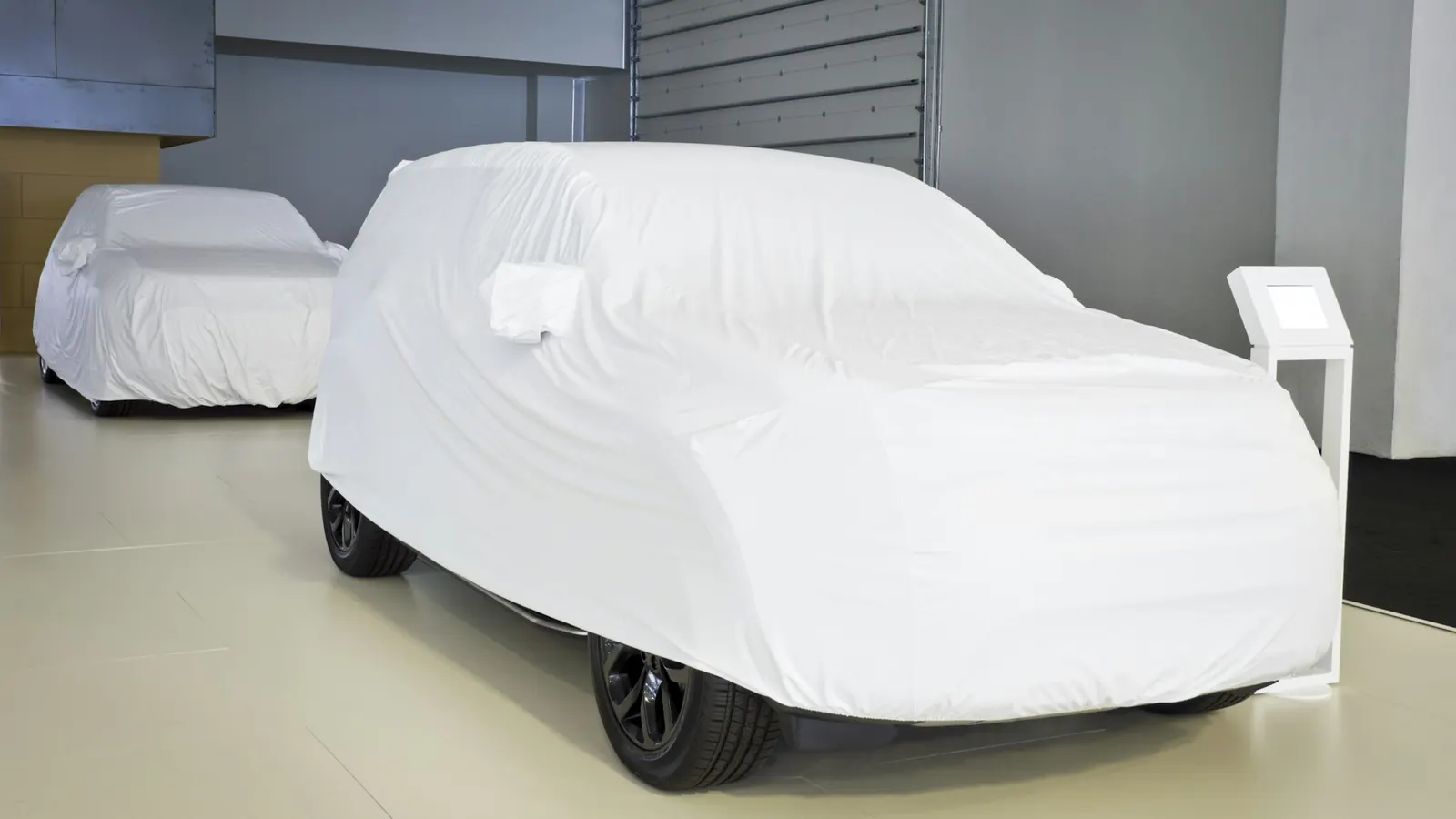
To store a car over winter, keep it somewhere dry and secure, clean it and let it dry, change the oil, fill the tank with E5 fuel and a stabiliser, put the battery on a smart charger, raise the tyre pressures, leave the handbrake off, and declare SORN if it won't touch a public road until spring. Then leave it alone. That's the whole job in one sentence — the rest of this guide is the detail that decides whether the car comes out in April exactly as it went in.
This guide is for any car: a sports car you don't want on salted roads, a second car you won't need until spring, or a daily driver you're parking up while you work away. If yours is a classic, the principles are identical, and our guide to storing a classic car over winter covers the extra care older cars need.
The short version: how to store a car for winter
- Choose the right place. Dry beats warm. A damp garage can do more harm than a driveway.
- Clean it thoroughly, then let it dry completely. Road salt and bird lime don't stop working in the dark.
- Change the oil so the engine sits in clean oil, not acidic used oil.
- Fill the tank with E5 super unleaded and add a fuel stabiliser.
- Put the battery on a smart charger rather than disconnecting it.
- Raise the tyre pressures, staying under the sidewall maximum.
- Leave the handbrake off and chock the wheels instead.
- Check the antifreeze and top up the screenwash.
- Keep mice and damp out — bung the exhaust, empty the cabin, leave a note on the wheel.
- Sort the paperwork — SORN, laid-up insurance, and tell your insurer where the car is.
First decision: where the car will live
Most winter storage problems are location problems. Get this right and the preparation below is insurance; get it wrong and no amount of preparation fully saves the car.
Why damp matters more than cold
British winters are rarely cold enough to hurt a parked car. The damage comes from moisture. From October to March, relative humidity across most of the UK sits above 80% for long stretches, and every swing from a cold night to a milder, wetter day condenses water onto cold metal: brake discs, the underside, the inside of sills, under carpets. That's why a car can come out of a closed garage in spring with seized brakes, bloomed paint and a musty cabin, despite never having seen rain.
Corrosion and mould slow right down when relative humidity is held around 50–60%. Above roughly 65–70% they speed up sharply. Our climate controlled storage guide explains the numbers in detail.
Your options, honestly compared
| Driveway or street | Home garage | Rented lock-up | Storage facility | |
|---|---|---|---|---|
| Protection from damp | None | Varies — often poor | Usually poor | Good; climate controlled is best |
| Security | Low | Good | Variable | High: CCTV, alarms, restricted access |
| Battery care | Needs a solar or plug-in charger | Easy if there's power | Rarely has power | Usually included |
| Can it be SORN'd? | Driveway yes; street no | Yes | Yes | Yes |
| Monthly cost | Free | Free | Varies by area | From ~£115 + VAT |
| Best for | Short lay-ups of newer cars | Dry, ventilated garages with power | Cheap cover from the weather | Valuable cars, long lay-ups, no garage |
Storing a car in an unheated garage
An unheated garage is where most cars spend the winter, and it's fine if it is dry. The trouble is that many aren't. Single-skin brick walls and a bare concrete floor wick moisture, and a garage that looks dry in September can drip in January.
Three rules make a home garage work:
- Never put the car away wet. Drive it in on a dry day, or let it dry fully with the door open. A wet car in a closed garage is a humidity chamber.
- Ventilate, don't seal. Some airflow is better than none. A garage that smells musty in autumn will be worse by February.
- If there's power, run a dehumidifier. A compressor or desiccant unit set to around 50–60% is the single biggest upgrade a home garage can have. A £10 hygrometer tells you whether you need one.
If your garage fails that test, or you don't have one, a storage facility is the honest answer — especially for a car you care about.
Preparing the car: step by step
Clean it inside and out, then let it dry
Wash the car properly, including the underside and wheel arches — winter road salt sitting on the underbody for months is exactly what you're trying to avoid. Remove bird droppings and tree sap immediately; both etch paint and they don't stop working in storage. A coat of wax adds a layer of protection.
Inside, vacuum thoroughly and remove every crumb and wrapper. Food is what attracts mice. Take out anything damp — gym bags, umbrellas, floor mats that have been wet — and let the carpets dry out before you shut the doors.
Change the oil before it goes in
Used engine oil carries acids and moisture from combustion. Left in the engine all winter, it sits against bearings and other internals doing slow, quiet damage. Fresh oil protects them. If the car's service is due within a couple of months anyway, bring it forward so the engine spends the whole lay-up in clean oil.
Fuel: fill the tank, and make it E5
Standard unleaded in Great Britain has been E10 — up to 10% ethanol — since September 2021. Ethanol absorbs water from the air, and over a long lay-up E10 can take on enough moisture to separate and degrade, which is bad news for fuel pumps, injectors and older fuel lines.
For storage, fill up with super unleaded, which remains E5 (5% ethanol at most), and add a fuel stabiliser, running the engine for a few minutes afterwards so the treated fuel reaches the system. A full tank is less critical than it used to be — the old worry about condensation rusting a steel tank matters far less with modern plastic tanks — but a full tank of stabilised E5 is the combination that ticks every box.
For a diesel, fill the tank before storage. Diesel is more stable than petrol, but a full tank leaves less room for condensation, which is what feeds bacterial growth in the fuel.
Battery: a smart charger, not the spanner
A modern car never fully switches off. Alarms, keyless entry, telematics and control modules draw current all the time, and that parasitic drain can flatten a healthy battery in two to four weeks. A 12V battery is fully charged at about 12.6 volts; once it drops below roughly 12.4 volts and stays there, sulphation starts to permanently reduce its capacity.
The fix is a smart charger or battery conditioner (CTEK and similar), left connected all winter. It holds the battery at full charge without overcharging it. Many connect through a socket or clip, and there are solar options for cars stored without mains power.
Disconnecting the battery is the old answer, and on modern cars it causes its own problems: lost radio codes and settings, alarm faults, and windows that need re-indexing. A disconnected battery still self-discharges, too. Only disconnect if there's no way to charge the car where it's stored, and charge the battery fully before spring.
Keyless entry cars: keep the fob well away from the car, ideally in a signal-blocking pouch. A fob within range of the car can keep its systems awake, and it's also the weak point relay thieves exploit.
Electric and hybrid cars need different handling for the traction battery — usually around 50–60% charge rather than full — and the 12V battery still goes flat just as easily. Our EV storage guide covers both.
Tyres: stop flat spots before they start
A car resting in one position for months puts constant load on the same patch of each tyre, which can leave flat spots you feel as a vibration in spring. For a normal winter lay-up:
- Raise the pressures. Continental recommends +0.2 bar (about 3 psi) above normal for extended parking; for a lay-up of several months, many owners add up to about 10 psi. Never go above the maximum printed on the sidewall, and stick a note on the steering wheel so you remember to reset them before driving.
- Roll the car a few feet every few weeks if you have access, so a different part of the tyre takes the weight.
- Tyre cradles or thick foam mats spread the load for longer lay-ups.
Axle stands take the weight off completely, but they're for long storage rather than a single winter. Used carelessly they can stress suspension, so support the car only at the manufacturer's jacking points.
Brakes: leave the handbrake off
In a damp winter, brake pads can corrode onto the discs if the handbrake is left on for months, and freeing them can mean a garage visit. Leave the handbrake off, chock the wheels front and back, and leave the car in gear (or in Park for an automatic).
A light bloom of surface rust on the discs is normal after storage. It clears after a few gentle stops.
Fluids: antifreeze and screenwash
Check the antifreeze strength with a cheap coolant tester. A typical 50:50 mix of antifreeze and water protects to around -35°C, far beyond anything a UK garage will see, but coolant that's been diluted over the years may not. Top up the screenwash with a winter-rated fluid too.
Keep damp and mice out of the cabin
- Don't leave the windows open. It lets in moisture and mice.
- Moisture-absorbing bags or tubs in the footwells help in a borderline garage. Check them monthly, because a full one does nothing. Our guide to car mould and condensation covers what to do if damp has already got in.
- Block the exhaust tailpipe and air intake with wire wool or a purpose-made bung. Mice love a dry, sheltered air filter box. Put a bright note on the steering wheel saying you've done it, so nobody starts the car with them in place.
- Lift the wipers off the screen, or put a strip of cling film under the blades, so the rubber doesn't stick or take a set.
A cover: breathable, indoors, and never on a damp car
Owners argue about covers, and both sides have a point. A soft, breathable cover indoors keeps dust off and protects against knocks. A non-breathable cover, or any cover put over a damp car, traps moisture against the paint and can cause blistering and corrosion. Outdoors, a cover that flaps in the wind can scuff the paintwork it's meant to protect.
The rule: breathable, fitted, indoors, and only once the car is completely dry.
The paperwork: SORN, insurance and tax
Should you SORN your car for winter?
If the car will be kept off the public road for the whole winter, declaring a SORN (Statutory Off Road Notification) usually makes sense:
- You stop paying vehicle tax and get a refund for any full months left.
- A SORN doesn't expire — it lasts until you tax, sell, scrap or export the car.
- Under continuous insurance enforcement rules, a SORN'd car doesn't legally need road insurance.
The catch is where the car is kept. A SORN'd car must stay on private land: a driveway, garage or storage facility is fine; the street outside your house is not. It can't be driven on the road either, with one exception — a journey to or from a pre-booked MOT test, as long as it's insured. If your car has to live on the street over winter, it must stay taxed and insured, and SORN isn't an option.
Our SORN and car storage guide has the full step-by-step, including how the refund works.
Insurance while it's laid up
Dropping insurance completely is legal on a SORN'd car, but it leaves you exposed to fire, theft and damage while it's stored. Laid-up insurance covers exactly those risks for much less than a road policy, and many specialist insurers offer it. Only cancel your road cover once the SORN is in place — cancelling first can trigger an enforcement letter.
If you're keeping road cover, tell your insurer where the car will be stored. Some policies treat secure storage favourably, and not telling them about a change of overnight location can cause problems if you ever need to claim.
MOT
If the MOT runs out while the car is SORN'd, that's fine — it's only needed once the car goes back on the road. Book the test for spring, and you can legally drive it to that pre-booked appointment.
Should you start the car during the winter?
This is the most argued-about question in winter storage, and the advice you'll often read — "start it every couple of weeks and let it run for ten minutes" — is the wrong compromise.
When an engine starts from cold, combustion produces water vapour, and some of it condenses into the oil and the exhaust. A proper drive gets everything hot enough to boil that moisture off. A short idle doesn't: the oil and exhaust never get hot enough, so each five-minute start adds water rather than removing it, and it takes more from the battery than it puts back.
So choose one of two approaches, and don't mix them. (For how quickly a battery, tyres and brakes suffer when a car isn't used, see what happens if you don't drive your car.)
- Drive it properly. If the car is taxed and insured, a run of 20 minutes or more, until everything is fully warm, every few weeks is genuinely good for it.
- Leave it alone. Don't start it at all. Keep the battery on a smart charger, and the car will be fine until spring. For a SORN'd car, this is the only legal option anyway.
What winter car storage costs
At home, storage is free, but the preparation and the monthly checks are yours to do. At a professional facility, prices depend mostly on the level of care and where you are:
| Type of storage | Typical monthly cost | Six months (Oct–Mar) |
|---|---|---|
| Basic secure container or unit | From ~£115 + VAT | ~£700 + VAT |
| Climate controlled, managed (most regions) | £175–£300 + VAT | £1,050–£1,800 + VAT |
| Climate controlled, managed (South East) | £250–£400 + VAT | £1,500–£2,400 + VAT |
Two things offset the bill: the tax refund from a SORN, and the difference between laid-up and road insurance. Managed storage usually includes the battery care, tyre checks and regular inspections you'd otherwise do yourself. Our car storage cost guide breaks down what's included at each level.
On timing: demand for winter storage peaks from September, and the best facilities are often full by November. If you're reading this in autumn, you're not too late, but it's worth getting quotes now rather than in the first cold snap.
Home or professional storage: which is right for you?
Storing at home makes sense if you have a dry, secure garage with a power supply, the car is a modern one you're laying up for a few months, and you're happy to check on it every few weeks.
A storage facility makes more sense if any of these are true:
- You don't have a garage, or yours is damp.
- The car is valuable, rare or loved, and you'd notice every mark on it in spring.
- It will be off the road for three months or more.
- You can't keep a charger on the battery or check on the car regularly.
- Your insurer asks for secure storage.
The difference is less about the building than about care. A good managed facility keeps the humidity stable, the battery conditioned and the tyres checked, and it notices a problem in week three rather than in April.
Spring: bringing the car back out
When winter's over, don't just turn the key.
- Read your own note on the steering wheel, and remove the exhaust and intake bungs.
- Look underneath for leaks, and under the bonnet for anything nesting.
- Reset the tyre pressures to the normal figure in the handbook or door shut.
- Check the oil, coolant and brake fluid levels, and the battery charge.
- Tax the car if it was SORN'd. Taxing it ends the SORN automatically. Tax runs from the first of the month, so time it for when you'll actually drive.
- Book an MOT if it's due — you can drive to a pre-booked test.
- Take the first drive gently. Brake softly a few times to clear surface rust from the discs, and let everything come up to temperature before pushing on.
Winter car storage checklist
Before it goes in
- Washed, including the underside, and fully dry
- Cabin vacuumed; food, damp items and valuables removed
- Oil and filter changed
- Tank filled with E5 super unleaded, fuel stabiliser added
- Antifreeze strength checked, screenwash topped up
- Tyre pressures raised (below the sidewall maximum)
- Handbrake off, wheels chocked, car in gear or Park
- Wipers lifted or wrapped
- Exhaust and air intake bunged; note left on the steering wheel
- Battery connected to a smart charger
- Keyless fob stored away from the car, ideally in a signal-blocking pouch
- Breathable cover fitted (indoors, once dry)
Paperwork
- SORN declared, if the car will be off the road all winter
- Laid-up insurance arranged, or your insurer told where the car is kept
- Road insurance cancelled only after the SORN is in place
Every few weeks, if the car is at home
- Check the charger is still connected and working
- Check the humidity and empty any moisture traps
- Look for signs of mice, leaks or damp
Motorkeep is an independent introduction service. We research and list professional car storage facilities across the UK, but we don't own or operate any of them — your contract and insurance arrangements sit directly between you and the facility. Check SORN and tax rules on GOV.UK and confirm cover with your insurer before laying up a car.
Frequently asked questions
- How do I leave a car for 6 months?
- Store it somewhere dry and secure, clean it and let it dry fully, change the oil, fill the tank with E5 super unleaded plus a fuel stabiliser, keep the battery on a smart charger, raise the tyre pressures, leave the handbrake off with the wheels chocked, and declare SORN if it will be off the public road the whole time.
- Should I start my car during winter storage?
- Only if you can drive it until it is fully warm, which takes 20 minutes or more. Starting a stored car and letting it idle for five minutes does more harm than good: it creates condensation in the oil and exhaust without getting hot enough to burn it off. If you can't drive it, leave it switched off and keep the battery on a smart charger instead.
- Is it better to keep a car in a garage or outside over winter?
- A dry, ventilated garage is far better than outside, but a damp garage can be worse than a driveway because it traps moisture around the car. The enemy over a UK winter is humidity, not cold. The ideal is a stable 50–60% relative humidity, which most home garages can't hold without a dehumidifier.
- Should I disconnect my car battery for winter storage?
- On most modern cars, no — keep it connected to a smart charger or battery conditioner. Disconnecting can reset the alarm, radio codes and electronics, and a disconnected battery still self-discharges. If there's no power supply where the car is stored, disconnecting the negative terminal is the fallback, but charge the battery fully before spring.
- Should I change the oil before winter storage?
- Yes. Used oil contains acids and moisture from combustion that sit against engine internals all winter. Changing it before storage means the engine spends the lay-up in clean oil. If a service is due within the next couple of months anyway, bring it forward.
- What should I put under my tyres when storing a car?
- For a normal winter lay-up, just extra pressure. Continental recommends +0.2 bar (about 3 psi) for extended parking; for a lay-up of several months many owners add up to about 10 psi, never above the sidewall maximum. Tyre cradles or foam mats help on long lay-ups. Axle stands are only worth it for storage of many months, and must support the car at the correct jacking points.
- How much does winter car storage cost in the UK?
- A basic secure container or unit starts from around £115 a month plus VAT. Climate controlled, managed storage costs £175–£300 a month outside the South East and £250–£400 within it. A six-month winter from October to March therefore costs roughly £700 at the basic end and £1,050–£2,400 for managed storage, before VAT.