Indoor vs Outdoor Car Covers: Which Do You Need?
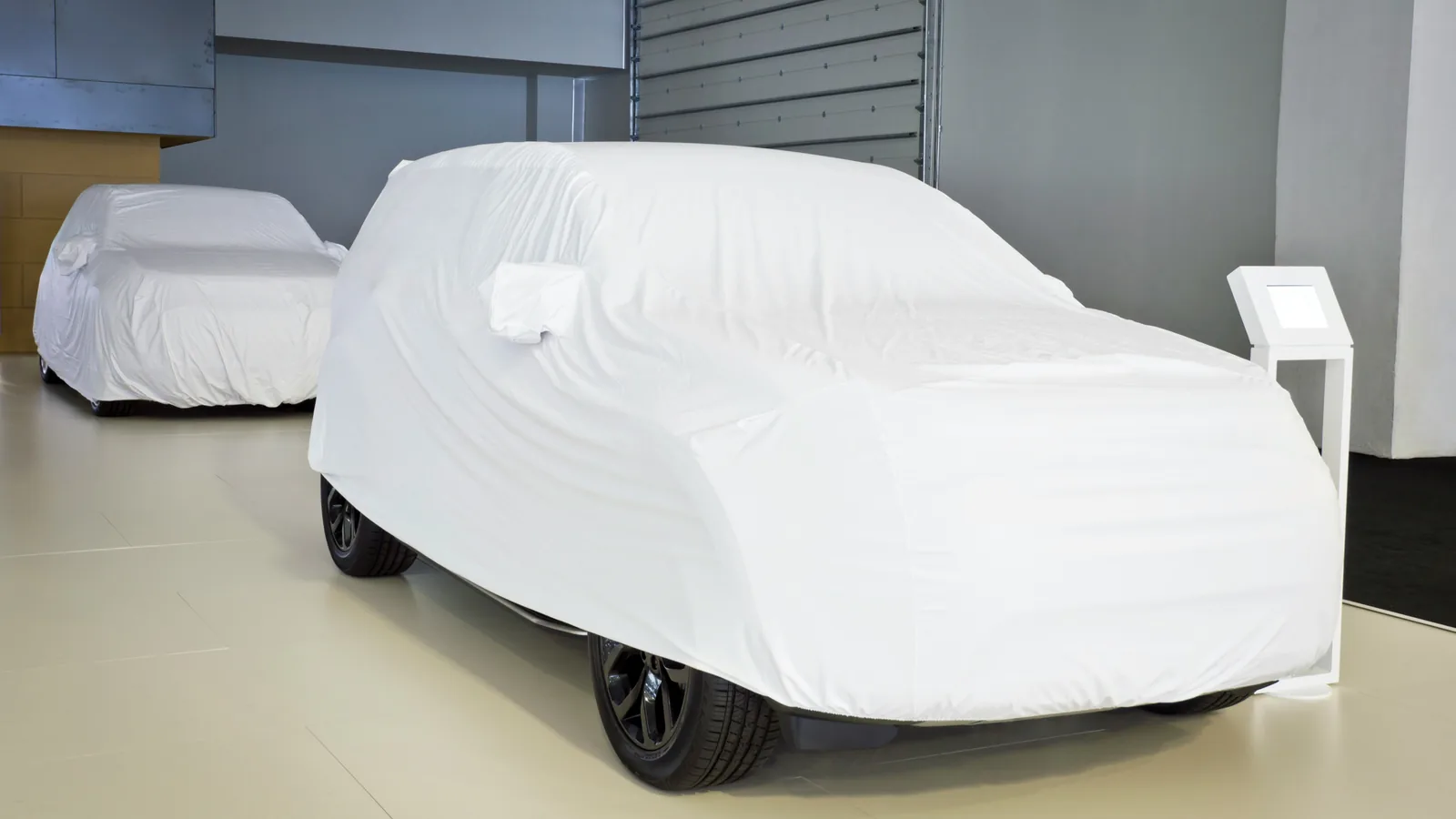
Indoors, use a light, breathable indoor cover. Outdoors, use a breathable, water-resistant outdoor cover that fits well and straps down — or none at all. The wrong cover can do more harm than no cover: a non-breathable one traps moisture against the car, and a loose one rubs grit into the paint every time the wind moves it.
This guide covers what each type protects against, how to choose and fit one, and when you're better off without.
The short answer
| Indoor cover | Outdoor cover | |
|---|---|---|
| Use it for | A car in a garage or storage building | A car parked outside |
| Protects against | Dust, light scuffs, accidental knocks | Rain, frost, sap, bird droppings, sun, dust |
| Material | Light, soft and highly breathable | Heavier, multi-layer, water-resistant, ideally breathable |
| Main risk | Very little, on a clean dry car | Trapped condensation; scuffing if it moves in the wind |
| Fit | Loose is fine | Snug, with straps under the car |
Indoor covers: simple and low-risk
Hagerty UK describes a lightweight indoor cover as "little more than a nicely shaped dust sheet", and that's the point. It keeps dust off the paint, stops the odd scuff from a bike or a tool, and makes it less obvious what's underneath.
Because an indoor cover is light and breathable, air circulates through it, so it doesn't trap condensation the way a heavier cover can. Hagerty makes the same point: indoor covers "don't trap condensation in an indoor space".
Choosing one:
- Soft inside. A brushed or fleece-type lining is kinder to paint than plain fabric.
- Breathable. Avoid anything plastic-coated for indoor use.
- The right size. It doesn't need to be tailored, but it shouldn't drag on the floor or pull tight over the mirrors.
An indoor cover doesn't do anything about damp. In a garage where the humidity sits above about 60%, the cover is the least of it: see our guide to car dehumidifiers.
Outdoor covers: helpful, but easy to get wrong
An outdoor cover does more — it keeps off rain, frost, tree sap, bird droppings and sun — and it has more ways to go wrong.
Trapped moisture. Hagerty is blunt: "Outdoor covers can trap condensation, which is highly undesirable." When the cover lies flat against the paint, "the air can't circulate", and on a cold night the moisture under it condenses on the car. That's how covered cars end up with marked paint, damp interiors and mould.
"Waterproof" isn't the goal. A fully waterproof cover keeps rain out but also keeps water vapour in. For a car that lives outside, a breathable, water-resistant cover — usually multi-layer — is the better choice, because it lets moisture escape.
Wind. A cover that flaps rubs the paint every time it moves. On a clean car with a soft lining that does little; on a dirty one it's like light sandpaper.
Choosing one:
- Breathable and water-resistant, not plastic or fully waterproof.
- A soft inner lining.
- A snug fit. Tailored or semi-tailored covers move far less than universal ones.
- Straps under the car and an elasticated hem, so it can't lift or flap.
- Mirror pockets if the fit depends on them.
- A lockable cable if the car is somewhere visible.
How to fit a cover without harming the paint
- Wash and fully dry the car first. Grit under a cover is what scratches.
- Never cover a wet car. Let it dry after a drive or a wash.
- Fold the mirrors if the cover doesn't have pockets.
- Unroll from front to back, rather than dragging the cover across the paint.
- Fit the straps before you walk away.
- Check it after windy weather and refit it if it's shifted.
- Take it off occasionally on a dry day to let the car air.
When to leave a car uncovered
- When the only cover you have is plastic or non-breathable. You're better off without it.
- When the car is dirty and you can't wash it first.
- In a very windy spot, if the cover won't stay put.
- On a car you're using every day, where a cover going on and off wet is more trouble than it's worth.
Hagerty's columnist chose to leave his own cars uncovered while in use, accepting that "the car will get wet when it rains but at least air can circulate inside".
Covers, bubbles and storage
A cover is the cheapest layer of protection, not the whole answer. For a car being laid up for the winter:
- In a dry garage: an indoor cover, plus a battery conditioner. Our guide to storing a car over winter covers the rest.
- In a damp garage or outbuilding: a cover doesn't solve damp. A garage dehumidifier, or a powered bubble that circulates air around the car, does.
- Outside on a drive: a good breathable outdoor cover helps, but a car kept outside for a whole winter is exposed to damp, frost and theft. If the car is on SORN, it must stay off the public road, on a drive, in a garage or on private land — see how to SORN a car.
If you're storing a classic
Classics have older paint, softer finishes and more places for water to sit, so a cover matters more and a bad one does more damage. Use a soft, breathable indoor cover in a dry building. If that isn't possible, our guide to storing a classic car over winter explains the options, including climate controlled storage, where covers are usually provided and the humidity is held at a stable 50–60%.
Motorkeep is an independent introduction service for car storage; we don't own or operate any facility we list, and we don't sell or receive commission on any cover or product mentioned here. Quotations are from Hagerty UK's "To cover or not to cover your car?".
Frequently asked questions
- Should I use an indoor or outdoor car cover?
- Indoor if the car is kept in a garage or storage building: a light, breathable cover keeps dust and scuffs off and doesn't trap condensation. Outdoor only if the car lives outside, and then choose a breathable, water-resistant cover with a soft lining that fits snugly and straps down.
- Do car covers damage paint?
- They can. A cover that moves in the wind rubs grit across the paint, especially if the car was dirty when it went on. A cover that traps moisture can mark the paint and encourage corrosion. A clean car, a soft lining, a snug fit and straps to stop it flapping avoid most of the risk.
- Is a waterproof car cover a good idea?
- Fully waterproof covers keep rain off but can also hold moisture against the car, because the water vapour underneath can't escape. For a car kept outside, a breathable, water-resistant cover is usually the better choice. Indoors, you don't need waterproofing at all.
- Is it better to cover a car or leave it uncovered?
- Indoors, cover it: a breathable dust cover only helps. Outside, it depends. A good, well-fitted breathable cover protects against sap, bird droppings, frost and sun. A poor-fitting or non-breathable cover can do more harm than leaving the car uncovered, because it scuffs the paint and traps damp.
- Can I put a cover on a wet car?
- No. Covering a wet or damp car seals the moisture in against the paint and inside the cabin. Dry the car first, ideally after a dry drive, and let it stand for a while before covering it.
- Can I cover a car parked on the road?
- Yes, but a car kept on a public road must still be taxed and insured, whatever is covering it. A car on SORN must be kept off the road altogether, on a drive, in a garage or on private land.